

Industrial pumps are designed to provide reliable performance, but like any piece of equipment, problems can occur over time. The good news is that many common pumping issues have simple solutions when they are identified early.
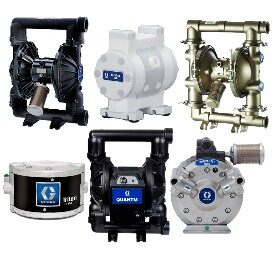
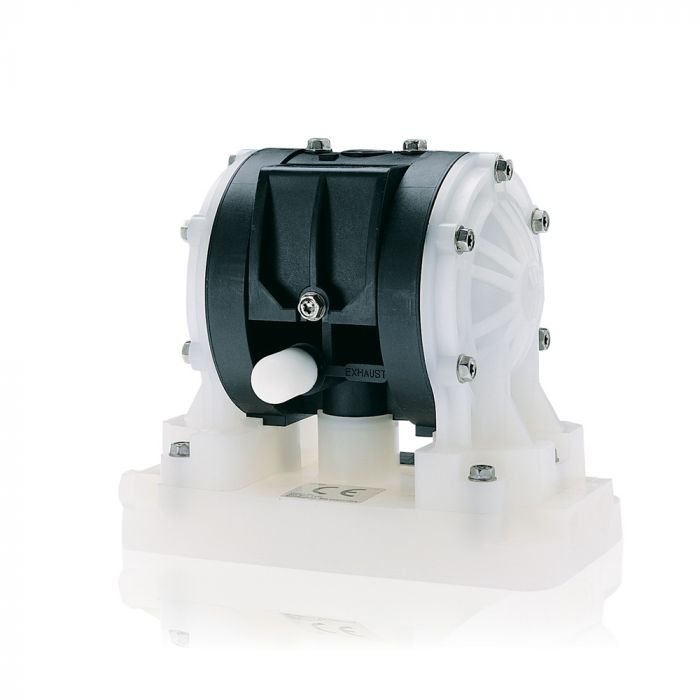
At Fluid Equipment Services (FES), we work with customers across a wide range of industries to diagnose pumping problems and recommend the right solutions. Graco Husky air-operated diaphragm pumps are known for their reliability, but even the best pumps benefit from regular maintenance and correct operation.
Most pump issues are caused by one of three things:
Understanding the cause of a problem is the first step towards fixing it and preventing it from happening again.
One of the most common problems is when a pump suddenly stops moving fluid.
Start by checking that the compressed air supply is reaching the pump and that all valves are fully open. Inspect hoses for leaks and ensure the inlet is free from blockages.
If the pump is still not working after these checks, then an inspection of the air valve and pump internals will be needed. If there is any damage or visible signs of wear, then parts will need to be replaced using the correct repair kits for your specific pump. If you’re unsure on which repair kits to order, then please don’t hesitate to get in touch.
Graco Husky diaphragm pumps feature a reliable, stall-resistant air valve design that helps reduce the chances of pump stoppages and keeps production running smoothly.
If your pump is still operating but the flow rate has reduced, there are several possible causes.
Check the air supply pressure at the inlet (not just the compressor) and inspect the suction line for restrictions. If the pump is cycling normally, the most common problem is worn valve seats and check balls. As these wear, the balls don’t seal properly to the seats, which reduces suction and discharge. Replace worn valve components if necessary and ensure filters are clean.
Regular servicing helps Graco Husky pumps maintain consistent performance, even in demanding applications.
All diaphragm pumps create some pulsation, but excessive pulsing may indicate a problem.
Inspect the diaphragms, check balls and valve seats for wear. If the balls and seats don’t seal properly it can cause fluid to flow backwards during each stroke which can amplify pulsation.
If the pump is receiving an inconsistent/insufficient air supply, then this can cause the pump to stroke unevenly which in turn exacerbates pulsation.
Check and ensure that the pump is correctly sized for your application and the required flow rate.
Modern Graco Husky pumps are designed with low-pulsation technology to provide smoother fluid transfer compared to many traditional diaphragm pumps.
Leaks should never be ignored, as they can affect efficiency and create safety risks. Depending on what fluid is being pumped, it could render the pump unusable.
Tighten loose connections to the torque specs provided in the manual and replace any worn seals or diaphragms using genuine replacement parts. Refer to the manual and ensure that the pump has been installed correctly.
Using genuine Graco spares helps maintain pump performance and reduces the risk of repeat failures.
A pump that cycles slowly may struggle to meet production demands.
Check the compressor output and air pressure at the inlet, inspect the airline for restrictions and ensure the air supply is clean and dry.
Make sure that the compressor is big enough for the pump’s air consumption, as the volume of air is just as important as the air pressure.
Proper air preparation is essential for achieving the best performance from any air-operated diaphragm pump.
Limit back pressure as much as possible. Ensure all valves that should be open are fully open and clean any filters that may have become clogged. Using the correct hose size is very important, as too smaller hose will generate much more friction.
A simple rule of thumb if your pump has suddenly slowed down: 1. Has anything changed on the discharge side? 2. Has anything changed with the air supply? 3. Has anything changed on the suction side? If none have changed, inspect all internal components and replace any damaged or worn parts.
Sometimes the pump appears to be working, but no product reaches the outlet.
Check that the fluid supply is still available and that the suction hose is submerged. Inspect the suction hose for air leaks and clean or replace blocked valve components.
AODD pumps are self-priming but if the suction lift is too high, then they can begin to struggle. Consider moving the pump closer to the origin and shortening the suction line.
Inspect internal components, the check balls act as a one-way valve and if they can’t seal properly, the fluid will just move back and forth inside the pump. Ensure that the diaphragms aren’t damaged or ruptured.
Graco Husky pumps are self-priming, making them ideal for many transfer applications, but they still require an airtight suction line to operate correctly.
Diaphragms are wear parts and will need to be routinely replaced, but premature failure usually points to another issue.
Choose diaphragm materials that are compatible with your application and avoid operating the pump above its recommended pressure.
Chemical compatibility is one of the most important things to consider when selecting a pump. The fluid section of the pump needs to be able to handle the fluid being pumped. If a diaphragm isn’t correctly specified, then it will fail prematurely which could cause further damage to the pump.
If you’re using a pump that is too small and it is being ran at the top end of its capabilities continuously, this will mean the diaphragms are under much more stress. This, in turn, will mean the diaphragms fail much sooner than normal.
At FES, we can help customers select the correct Graco Husky pump materials for chemicals, oils, solvents, food products and abrasive fluids.
Compressed air is one of the biggest operating costs for air-operated pumps.
Repair air leaks, optimise operating pressure and ensure the pump is correctly matched to the application.
Graco Husky pumps are designed for excellent air efficiency, helping reduce operating costs while maintaining high performance.
The best place to start is by selecting the correct pump for your application. Then to keep your pump running smoothly, preventative maintenance is the easiest way to avoid costly downtime.
Regular inspections and monitoring can help identify small issues before they become expensive repairs.
Graco Husky pumps are trusted by industries around the world because they are designed for reliability and long service life.
These features help reduce many of the common pumping problems experienced with older or lower-quality equipment.
Fluid Equipment Services has specialised in air-operated pumping equipment since 1985 and supplies genuine Graco Husky diaphragm pumps, spare parts and accessories.
Whether you need help diagnosing a pumping problem, selecting the right pump or sourcing replacement parts, our experienced team can provide expert technical support and practical advice.
Most pumping problems can be prevented with the correct pump selection, routine maintenance and quality replacement parts. If you notice reduced performance, leaks or inconsistent flow, addressing the issue early can save both time and money.
Graco Husky diaphragm pumps are built for demanding industrial applications and are designed to deliver reliable performance across a wide range of fluids. Combined with expert support from Fluid Equipment Services, they provide a dependable solution for businesses that need efficient and long-lasting fluid handling equipment.