

Choosing the right industrial pump is about more than simply moving fluid from one place to another. The type of fluid, working environment, required flow rate and pressure can all affect which pump is best for the job.
Two common options are air-operated pumps and electric pumps. Both have their advantages, but they can be suited to very different applications.
At Fluid Equipment Services (FES), we specialise in both air-operated and electric operated pumping equipment, including the Graco Husky and Graco QUANTM ranges. In this guide, we look at the differences between air-operated and electric pumps and the situations where each may be suitable.
An air-operated pump uses compressed air rather than an electric motor to power the pumping action.
One of the most common examples is an air-operated double diaphragm pump, also known as an AODD pump.
Inside an AODD pump, compressed air moves two diaphragms backwards and forwards. This movement draws fluid into one chamber while pushing fluid out of the other.
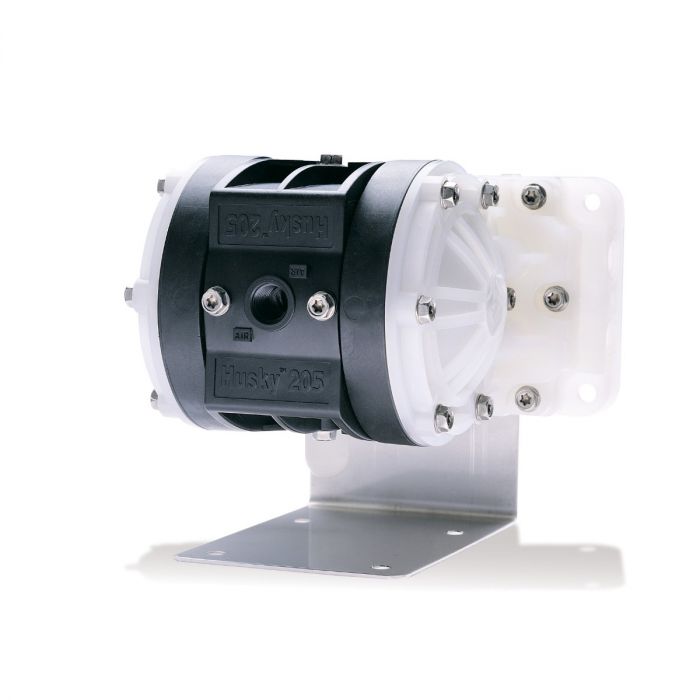
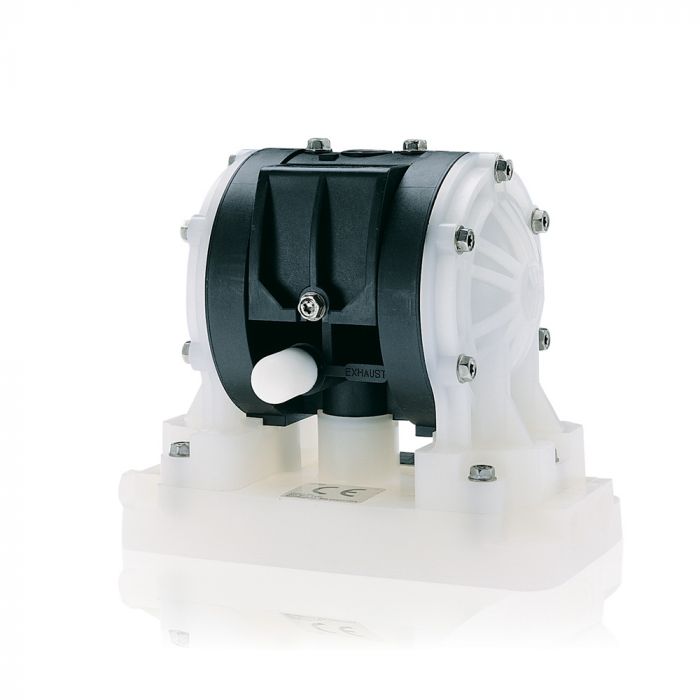
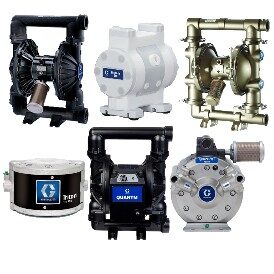
Graco Husky diaphragm pumps are a good example of this technology. The Husky range includes pumps in different sizes and materials, allowing them to handle a wide variety of industrial fluids and applications.
An electric pump uses an electric motor to create the movement needed to transfer fluid.
There are many different types of electric pumps, including double diaphragm pumps, centrifugal pumps, gear pumps and drum pumps.
Electric pumps can be a good choice where a continuous electrical supply is available and the fluid being transferred is relatively consistent. This is where the Graco QUANTM shines.
However, the suitability of an electric pump will depend heavily on the application and working environment.
The biggest difference is simply how the pump is powered.
Air-operated pumps use compressed air, while electric pumps use an electric motor.
This difference can have a major effect on where the pump can be installed, the fluids it can handle and how easily its performance can be controlled.
Both air-operated and electric pumps can be suitable for hazardous environments, but the right choice depends on the specific application and hazardous-area requirements.
Air-operated diaphragm pumps such as the Graco Husky range are well suited to many hazardous applications because there is no electric motor. Many Husky models are available in ATEX-rated configurations, making them suitable for certain potentially explosive environments when correctly specified and installed.
Electric pumps can also be used in hazardous environments when the pump and associated electrical equipment have the appropriate certification for the area. The Graco QUANTM range can be used in applications where hazardous-area requirements need to be considered, with ATEX-rated QUANTM models available for suitable applications.
The important point is that neither air-operated nor electric operation automatically makes a pump suitable for a hazardous area. The pump, motor, controls and associated equipment must all have the appropriate certification for the specific hazardous-area classification.
Both air-operated pumps and electric pumps can be used for chemical transfer. The most suitable option will depend on the chemical, required flow and pressure, operating conditions and the level of control required.
One advantage of the Graco Husky range is the wide choice of pump constructions and wetted materials. Depending on the model, metallic and non-metallic options are available, allowing the pump to be selected around the chemical compatibility requirements of the application.
Electric pumps, including the Graco QUANTM range, can also provide an effective solution for chemical transfer, particularly where continuous operation, precise control or reduced compressed-air consumption are priorities.
Whatever pump technology is selected, the materials of construction must be checked against the specific chemical being transferred.
The viscosity of a fluid is another very important consideration. Water flows very easily, while materials such as oils, paints, adhesives, mastics and grease can place much greater demands on the pumping system.
Air-operated pumping equipment can be particularly useful when dealing with more challenging fluids. FES supplies air-operated pumps capable of handling everything from water-like liquids through to highly viscous materials.
For particularly thick materials or higher-pressure applications, an air-operated Graco piston pump, such as the Fire-Ball, may be more appropriate. Graco even has a range of RAM units, which include a follower plate that forces high-viscosity fluids into the intake valve of the pump.
This is why it is important to choose a pump based on the actual fluid rather than simply selecting a pump according to flow rate.
One useful feature of many air-operated diaphragm pumps is their ability to run dry without immediately damaging the pump. This feature is also available in the electric operated Graco QUANTM.
This can be valuable in applications where containers may occasionally empty or where the fluid supply is not completely consistent.
Other pump technologies can be damaged by dry running, so this is an important consideration when comparing industrial pumps. Also, prolonged dry running isn’t recommended for any pump.
Air-operated and electric operated pumps can be self-priming, but it will depend on the type of pump. Both versions of the diaphragm pump are self-priming, which makes them useful for many fluid transfer applications.
Self-priming allows the pump to create suction and draw fluid into the pump without the suction line necessarily having to be manually filled first. This can be particularly useful when pumping from drums, IBCs, tanks or other containers where the pump is positioned above the fluid level.
This can make installation and everyday operation simpler. However, suction lift will vary depending on the specific pump model and application, so the installation conditions should always be checked during pump selection.
Both technologies provide ways of controlling pump flow, although the method is different.
With an air-operated pumps, such as the Husky, flow can be adjusted by regulating the air supply to change the pump’s operating speed. This provides a simple and effective way of increasing or reducing flow.
The electric operated QUANTM range uses an electric drive, allowing the pump speed to be controlled electronically. This can provide accurate and repeatable control of flow and can be particularly useful in applications where the pump needs to operate continuously or integrate with automated processes.
The right choice will depend on how the pump needs to be controlled and how it fits into the wider process.
Good pump selection is very important because continually operating an incorrectly sized pump can reduce efficiency and increase wear.
An air-operated pump requires compressed air to operate. Generating and distributing compressed air can be very energy-intensive, particularly when pumps are running continuously or for long periods of time.
An electrically driven pump, such as the QUANTM, removes the requirement for compressed air. This means it can significantly reduce energy consumption and operating costs in suitable applications.
However, energy efficiency is only one consideration. Hazardous-area requirements, fluid compatibility, required flow and pressure, installation, maintenance and the characteristics of the application should all be considered when selecting between air-operated and electric operated.
The best solution is therefore the pump that suits the complete application, rather than simply the one with the lowest quoted energy consumption.
In terms of regular maintenance, for both types of pump, this is relatively straightforward. It may include checking and replacing components such as:
The main differences occur when you need to service the drive of the pump. For air-operated diaphragm pumps this will mean servicing the air valve, which is a fairly simple process. For the electric QUANTM, it becomes a little bit trickier, as you’re dealing with a more complicated motor and rotor.
For both pump types, using genuine replacement parts and following the manufacturer’s maintenance recommendations can help maintain pump performance and reliability.
The most suitable option will ultimately depend on the application, operating hours and the maintenance requirements of the complete pumping system.
An air-operated diaphragm pump may be the better choice when you need:
The Graco Husky range covers a broad range of industrial applications, with different models and materials available to suit the fluid and operating conditions.
An electric-operated pump can be particularly attractive where energy consumption, continuous operation and control are important considerations.
The Graco QUANTM range may be worth considering when:
Neither technology is automatically better. The right solution depends on the complete application, including how the pump will operate and what is most important to the end user.
Choosing between an air-operated and electric-operated pump involves more than simply comparing flow rates or purchase prices. The complete application should be considered before selecting the pump technology.
Key factors include:
Considering these factors will help determine whether an air-operated pump such as the Graco Husky or an electric-operated diaphragm pump such as the Graco QUANTM is the better fit for the application.
There is no single pump that is right for every application.
An electric pump may be suitable for a simple, continuous transfer process, while an air-operated pump may offer significant advantages when dealing with chemicals, hazardous environments, changing flow requirements or more difficult fluids.
Fluid Equipment Services has specialised in pumping equipment since 1985 and has been a Graco distributor for over 40 years. If you are unsure which pump is suitable, speak to FES about the fluid you need to move, the required flow and pressure, and your working environment. Choosing the correct pump at the start can improve reliability, reduce downtime and help your pumping system perform efficiently for years to come.